ในอวกาศ ของเสีย ไม่มีวันสูญ
Last updated: 4 ส.ค. 2569 | 5950 จำนวนผู้เข้าชม |

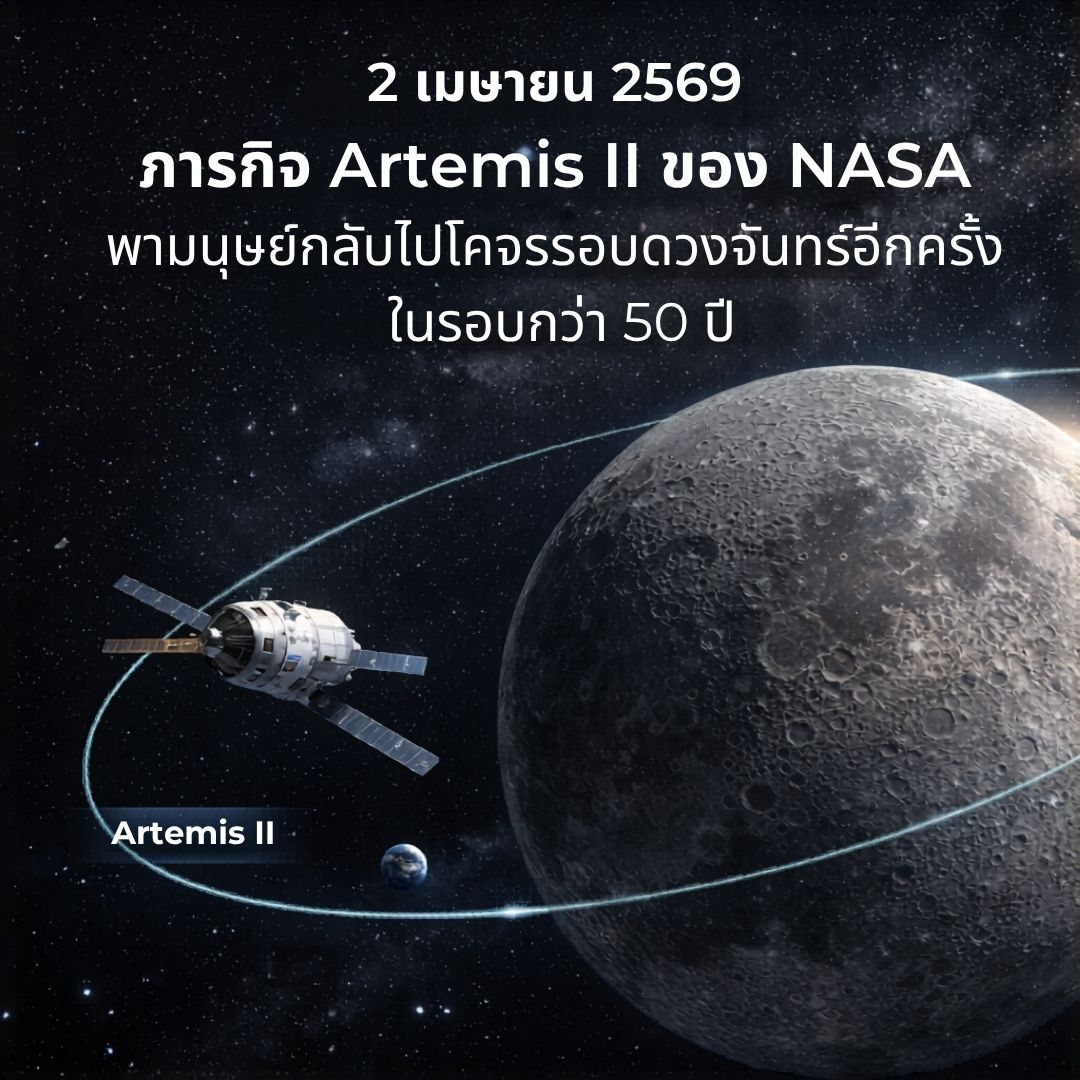
วันที่ 2 เมษายน 2569 ที่ผ่านมาภารกิจ Artemis II ภายใต้โครงการ Artemis Program ของ NASA
ได้พามนุษย์โคจรรอบดวงจันทร์อีกครั้งเป็นครั้งแรกในรอบกว่า 50 ปี นับตั้งแต่ยุคยานอพอลโล
แต่อีกหนึ่งความน่าสนใจคือ…ความท้าทายของภารกิจนี้ อาจไม่ใช่แค่ “การไปถึง”แต่คือ การมีชีวิตอยู่ในที่ที่ไม่มีอะไรให้ทิ้งเลย
ลองคิดดูดีๆถ้าเราต้องอยู่ในที่ที่ไม่มีถังขยะ ไม่มีน้ำใหม่ และไม่มีอากาศสำรอง
การทิ้งสิ่งของให้เป็นขยะ ดูเป็นเรื่องที่ต้องขบคิดไม่ใช่น้อย
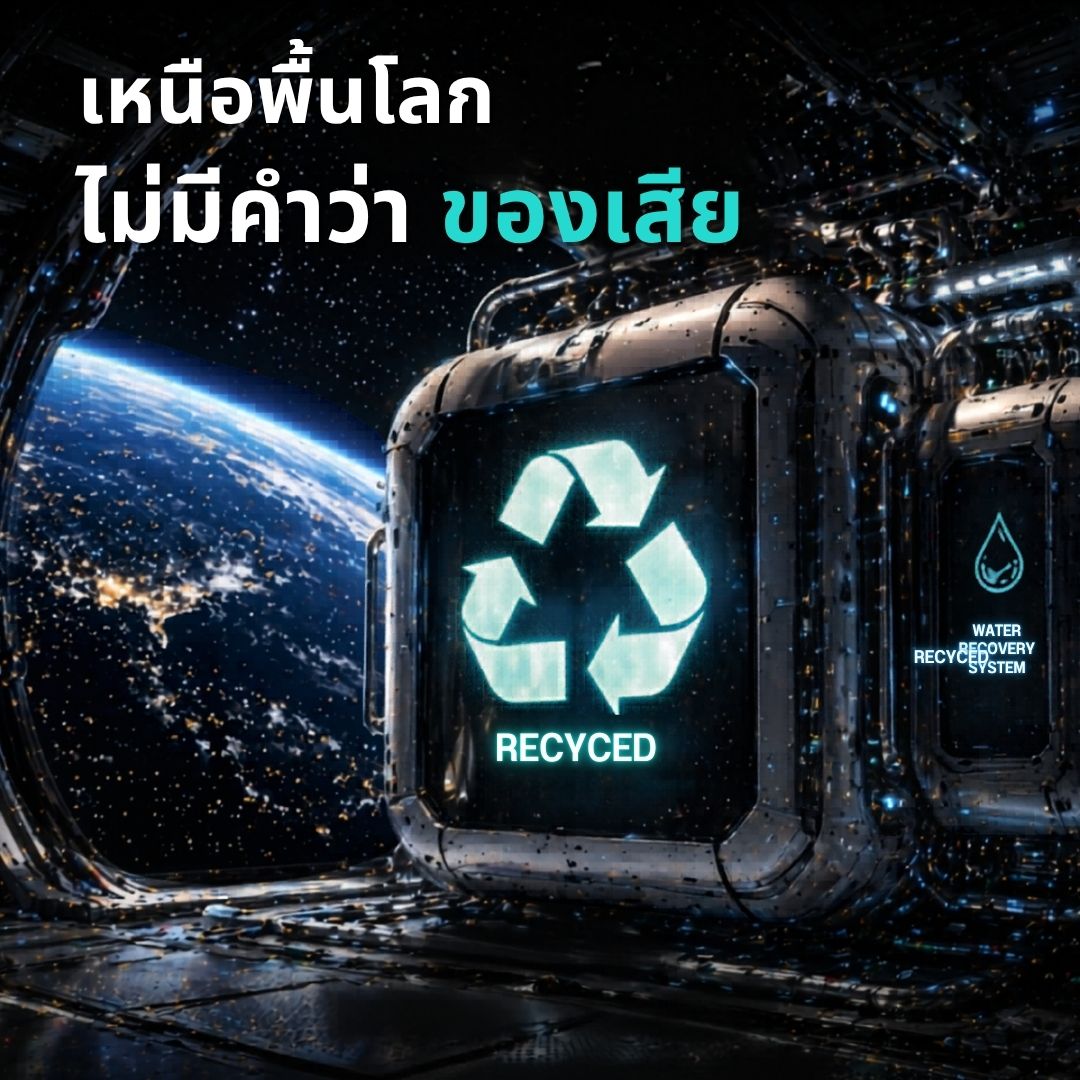
บนยานอวกาศคำว่า “ของเสีย” ไม่มีอยู่จริง
มีแค่สิ่งที่ ยังไม่ถูกเปลี่ยนให้กลับมาใช้ใหม่เท่านั้น
และนั่นคือกฎเดียวที่ทำให้มนุษย์รอดชีวิตได้ในอวกาศ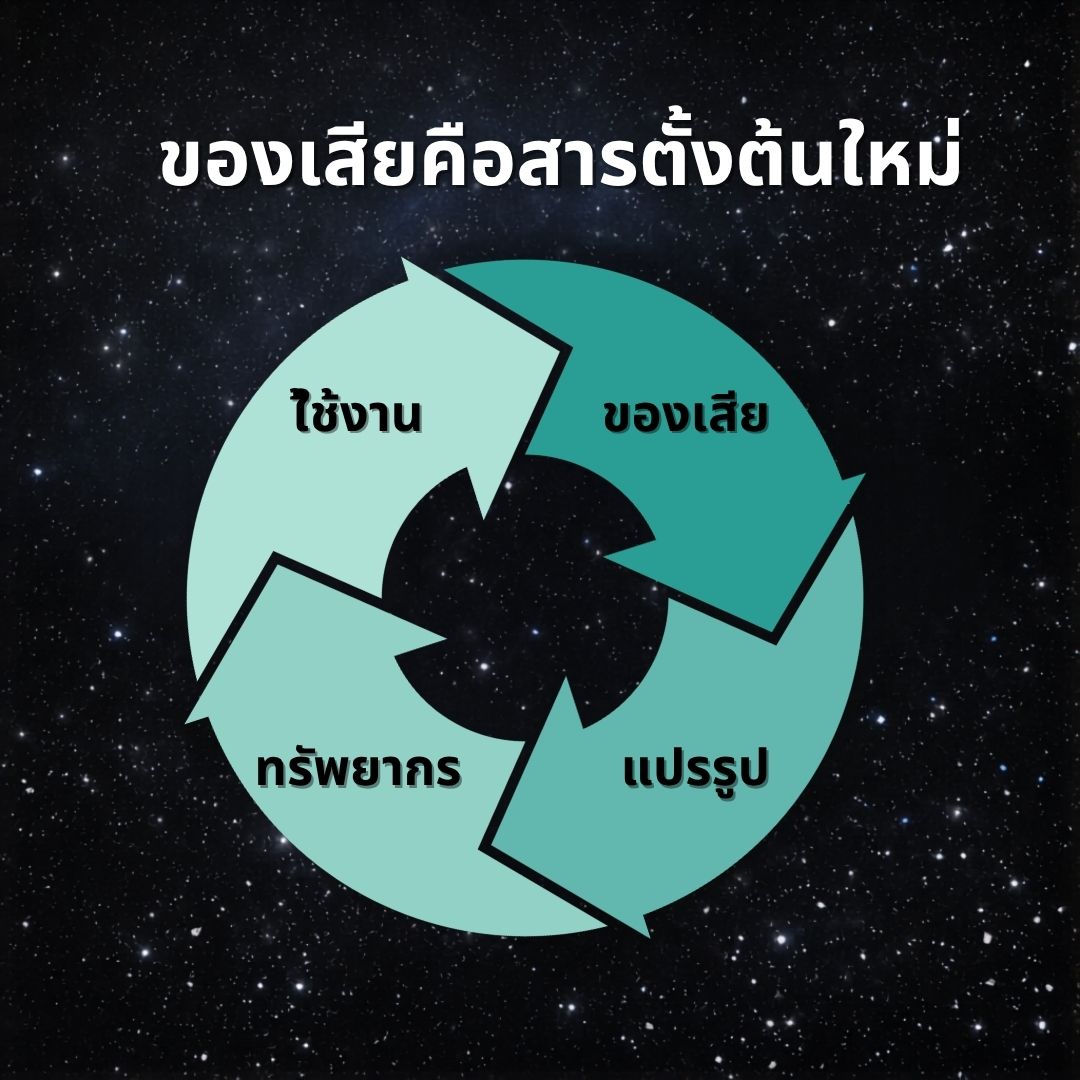
จุดที่คนส่วนใหญ่ไม่รู้
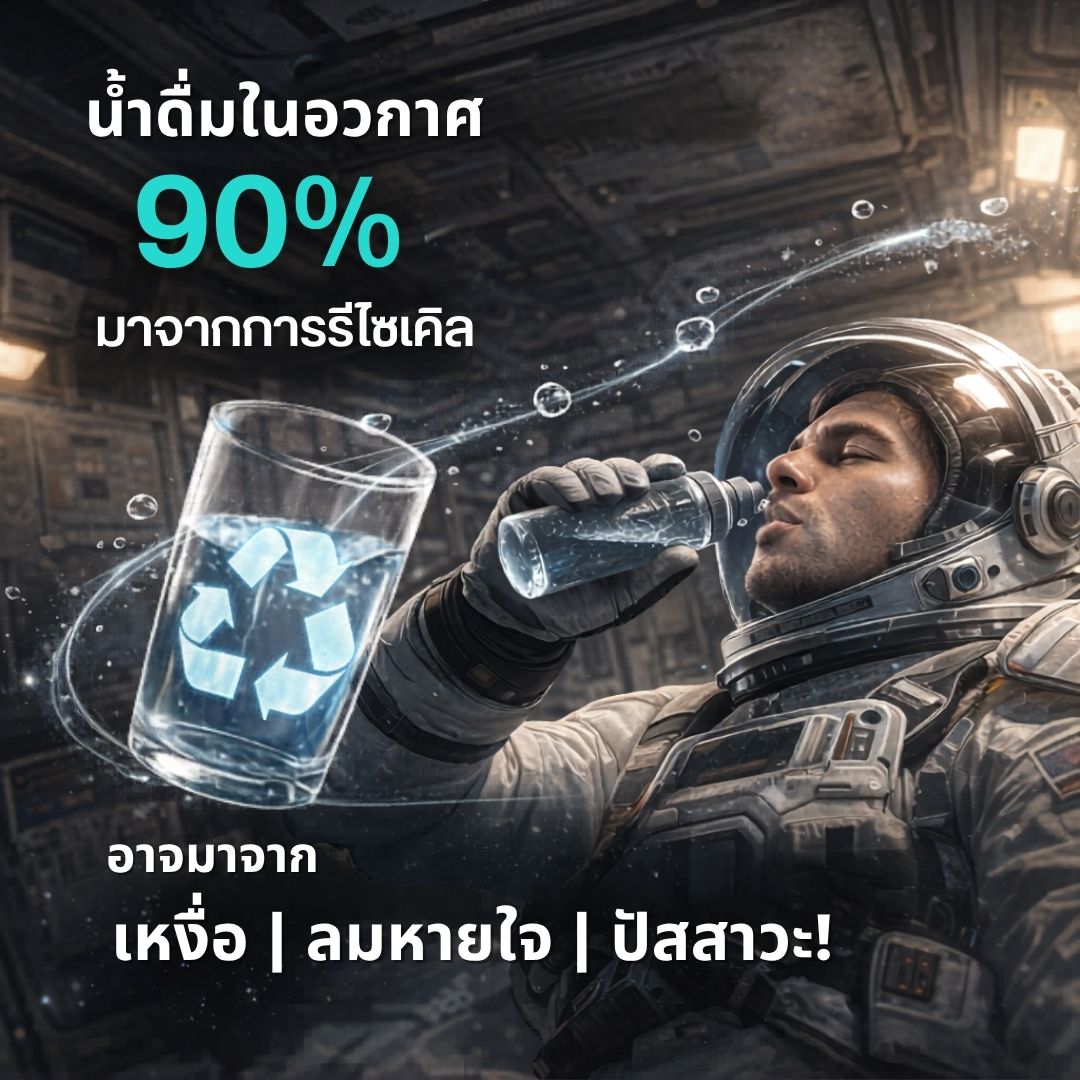
น้ำที่นักบินอวกาศดื่ม ไม่ได้มาจาก “แหล่งใหม่”
แต่มาจากระบบที่เปลี่ยน เหงื่อ ลมหายใจ และแม้แต่ปัสสาวะ
ให้กลับมาเป็นน้ำสะอาดอีกครั้ง
ระบบบน International Space Station สามารถรีไซเคิลน้ำได้มากกว่า 90% แปลว่า…
น้ำเกือบทุกหยด เคยถูกใช้มาแล้วอย่างน้อยหนึ่งครั้ง
ความจริงที่อวกาศบังคับให้เราเข้าใจ
บนโลก เราเชื่อว่า “ของเสีย” คือจุดจบ แต่ในอวกาศมันคือ “จุดเริ่มต้นของกระบวนการใหม่”
ปัสสาวะ = น้ำ
CO = วัตถุดิบสร้างออกซิเจน
ของเสีย = input ของระบบถัดไป
คำว่า “ทิ้ง” ถูกลบออกจากระบบโดยสิ้นเชิง
แล้วโลกของเราล่ะ?
ในขณะที่อวกาศใช้ระบบแบบ ปิด (closed-loop)
โลกของเรายังทำงานแบบ
ผลิต → ใช้ → ทิ้ง
เราอาจมองไม่เห็นผลกระทบทันที เพราะโลก “ใหญ่พอจะซ่อนมันไว้”
แต่ความจริงคือ เราไม่ได้ทิ้งอะไรหายไปเลย
เรากำลัง ย้ายมันไปไว้ในที่ที่เรามองไม่เห็นเท่านั้น
จุดเปลี่ยนที่สำคัญ
ในอวกาศ มนุษย์ถูก “บังคับ” ให้ใช้ทุกอย่างอย่างมีประสิทธิภาพ
แต่บนโลก เรายังมีทางเลือก และนั่นอาจเป็นปัญหา
เพราะเรายังไม่จำเป็นพอที่จะต้องเปลี่ยน
อนาคตที่กำลังจะมาถึง
ถ้าวันหนึ่ง ทรัพยากรบนโลกเริ่มมีข้อจำกัดเหมือนอวกาศ
ระบบแบบเดียวกับที่ NASA ใช้จะไม่ใช่ “เทคโนโลยีล้ำสมัย”
แต่มันจะกลายเป็น เงื่อนไขพื้นฐานของการอยู่รอด
บทสรุป
บางทีโลกไม่ได้ขาดทรัพยากร แต่เรายังไม่เคยเรียนรู้ที่จะใช้มัน
ในแบบที่ “ไม่มีอะไรสูญเปล่า” เพราะในความเป็นจริงแล้ว
เราไม่เคยมีของใหม่
มีแค่ของเดิม…ที่หมุนเวียนอยู่ตลอดเวลา
References
- NASA ข้อมูลระบบ Environmental Control and Life Support System (ECLSS) เทคโนโลยีรีไซเคิลน้ำและอากาศสำหรับภารกิจอวกาศ
- International Space Station (ISS)
- NASA Artemis Program แนวคิดการพัฒนาระบบ closed-loop สำหรับภารกิจระยะยาวบนดวงจันทร์และอนาคตของมนุษย์ในอวกาศ
- Apollo Program ข้อมูล timeline และการเปรียบเทียบการกลับไปดวงจันทร์ของมนุษย์


เนื้อหาที่เกี่ยวข้อง


ที่มาของวันวิทยาศาสตร์ไทย
18 ส.ค. 2569

