In Space, Waste Never Truly Disappears
Last updated: 20 Apr 2026 | 576 Views |

On April 2, 2026, NASA’s Artemis II mission, under the Artemis Program, carried humans around the Moon once again—marking the first lunar orbit mission in over 50 years since the Apollo era.
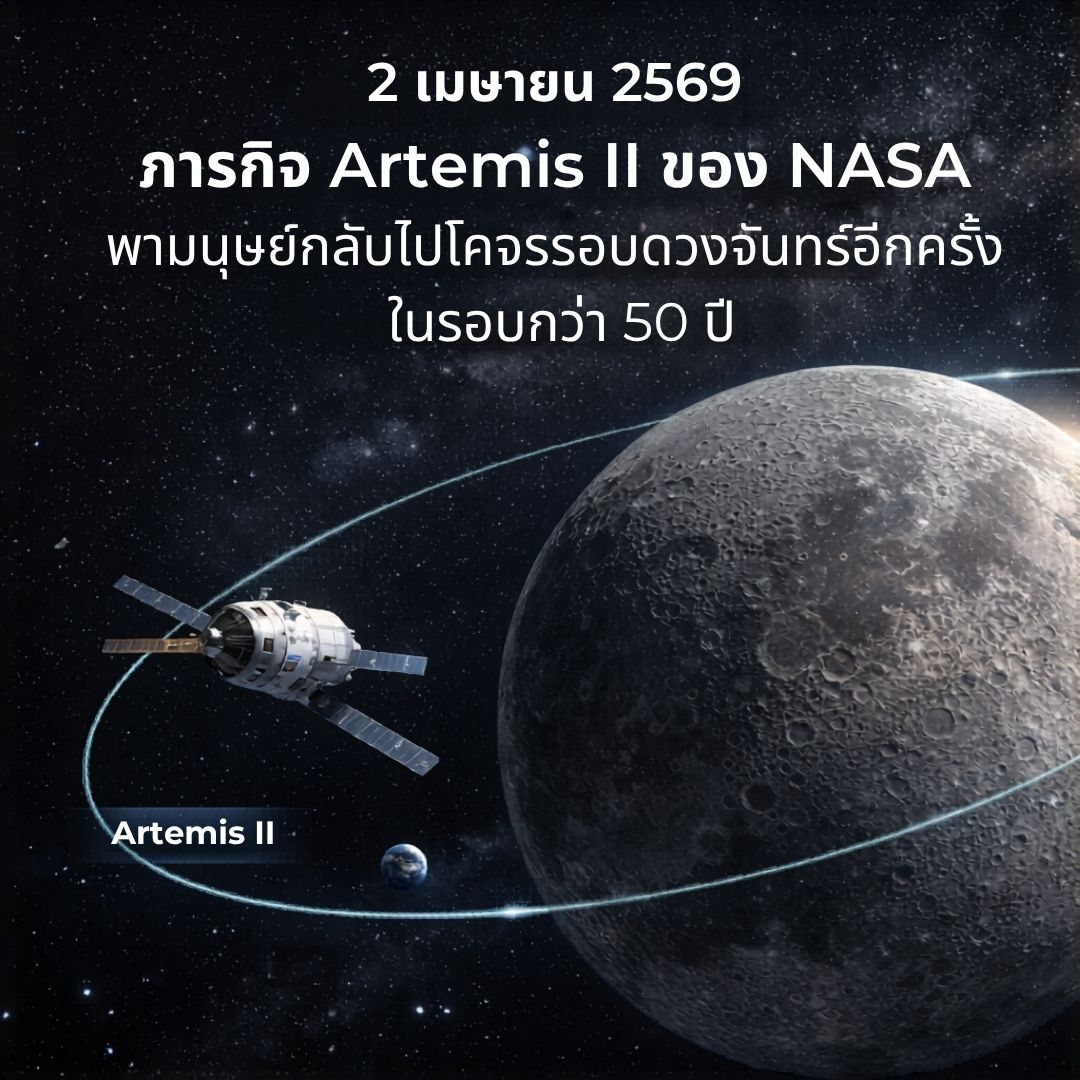
But what makes this mission especially compelling is not only the challenge of getting there.
It is the challenge of surviving in a place where nothing can be thrown away.
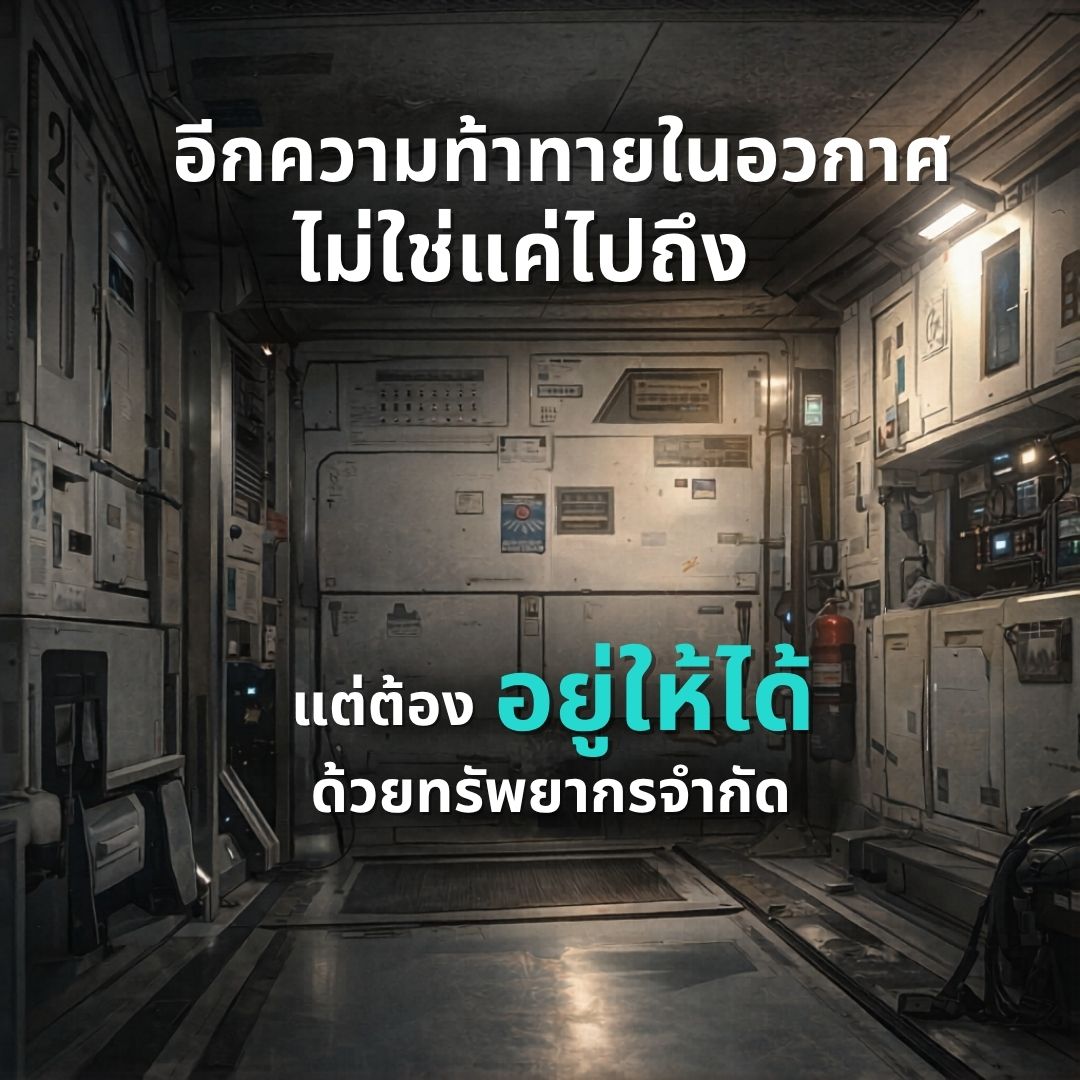
What if we had to live in an environment with
no trash bins,
no fresh water supply,
and no backup air?
In such a place, creating waste is not a casual act—it is a serious problem.
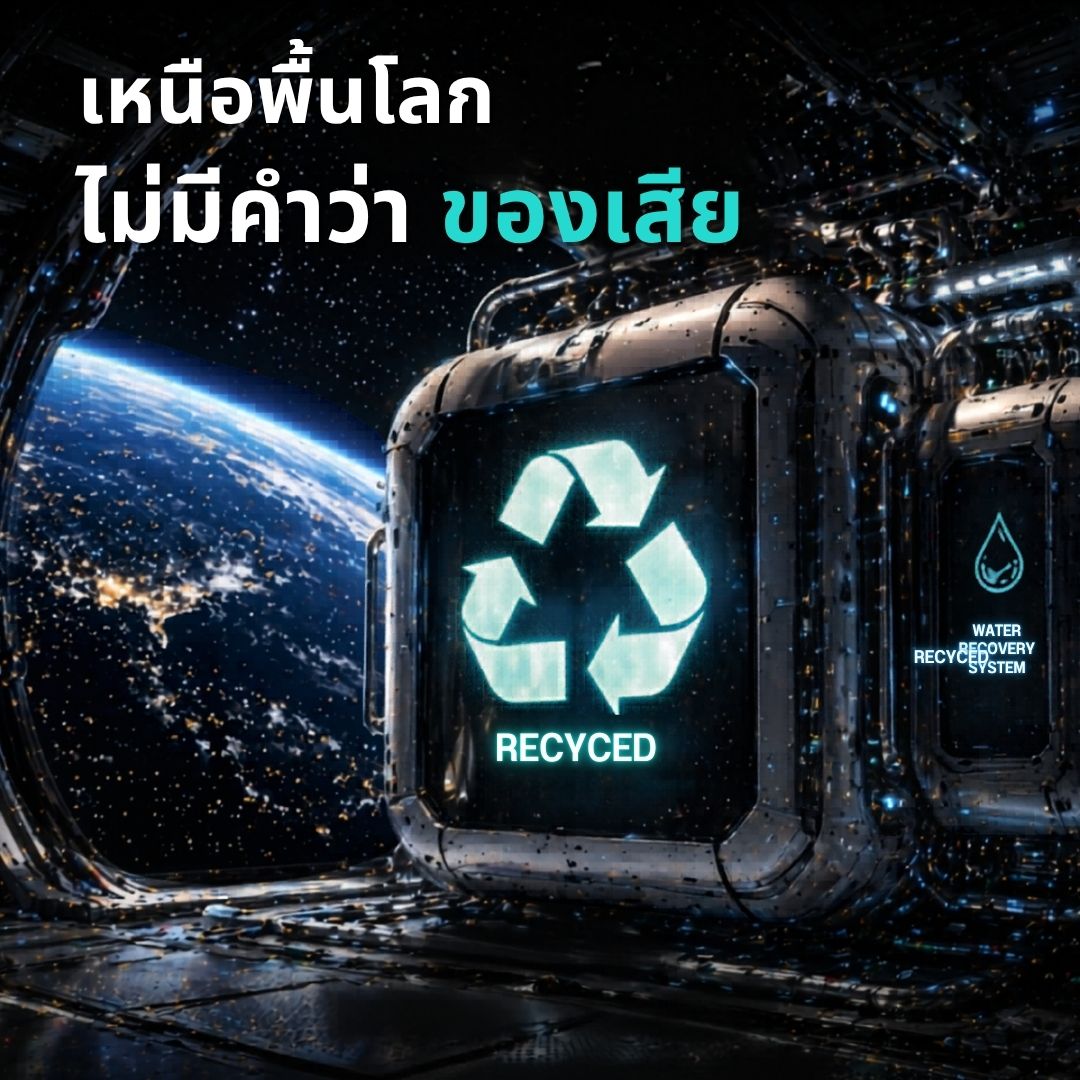
On a spacecraft, the concept of “waste” does not truly exist.
There are only materials that have not yet been transformed back into usable resources.
And this single principle is what makes human life in space possible.
A Little-Known Fact
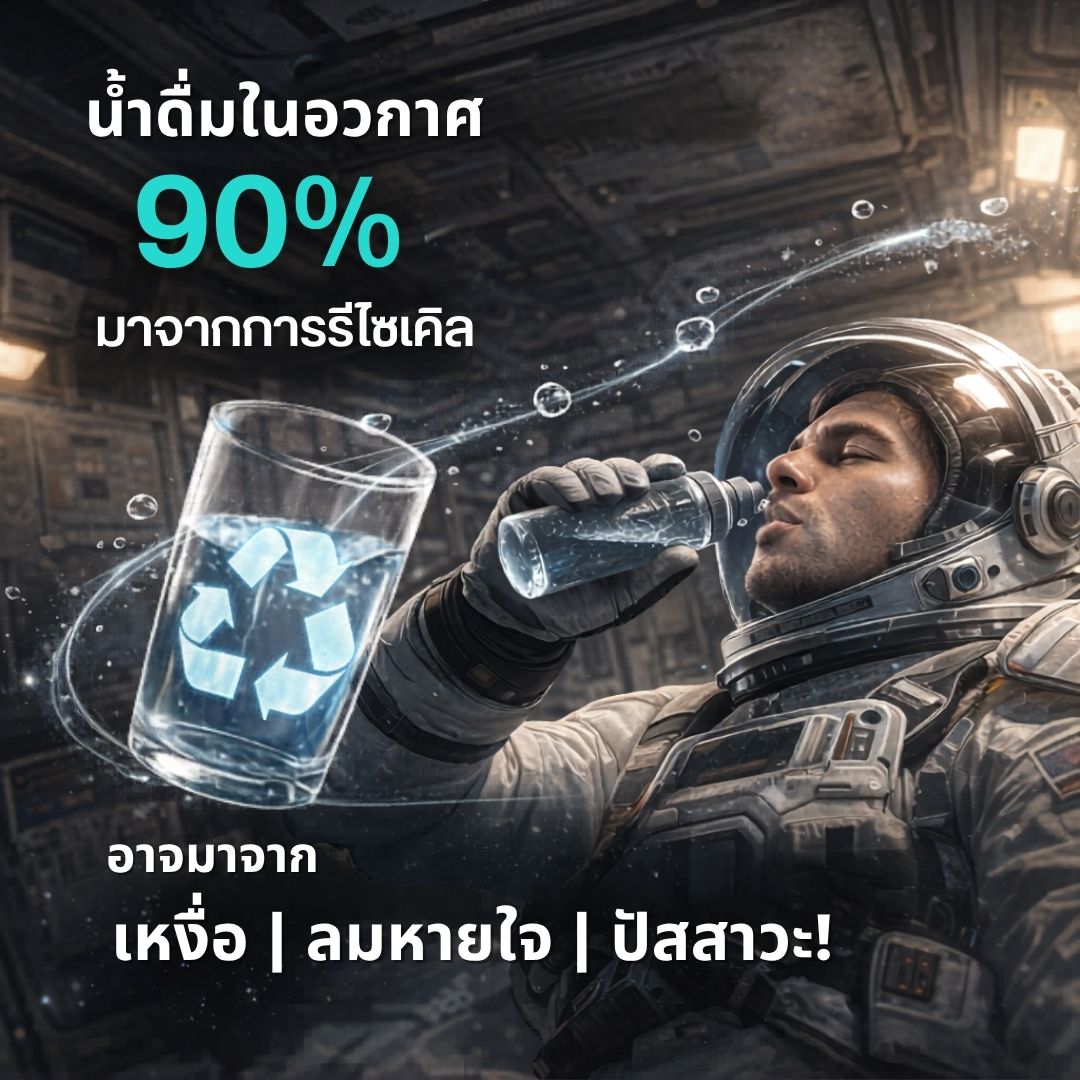
The water astronauts drink does not come from “new” sources.
It comes from systems that recycle
sweat,
exhaled moisture,
and even urine
back into clean, drinkable water.
On the International Space Station (ISS), the Water Recovery System can recycle more than 90% of onboard water.
Which means that almost every drop of water
has been used before—at least once.
What Space Forces Us to Understand
On Earth, we tend to think of waste as the end of a lifecycle.
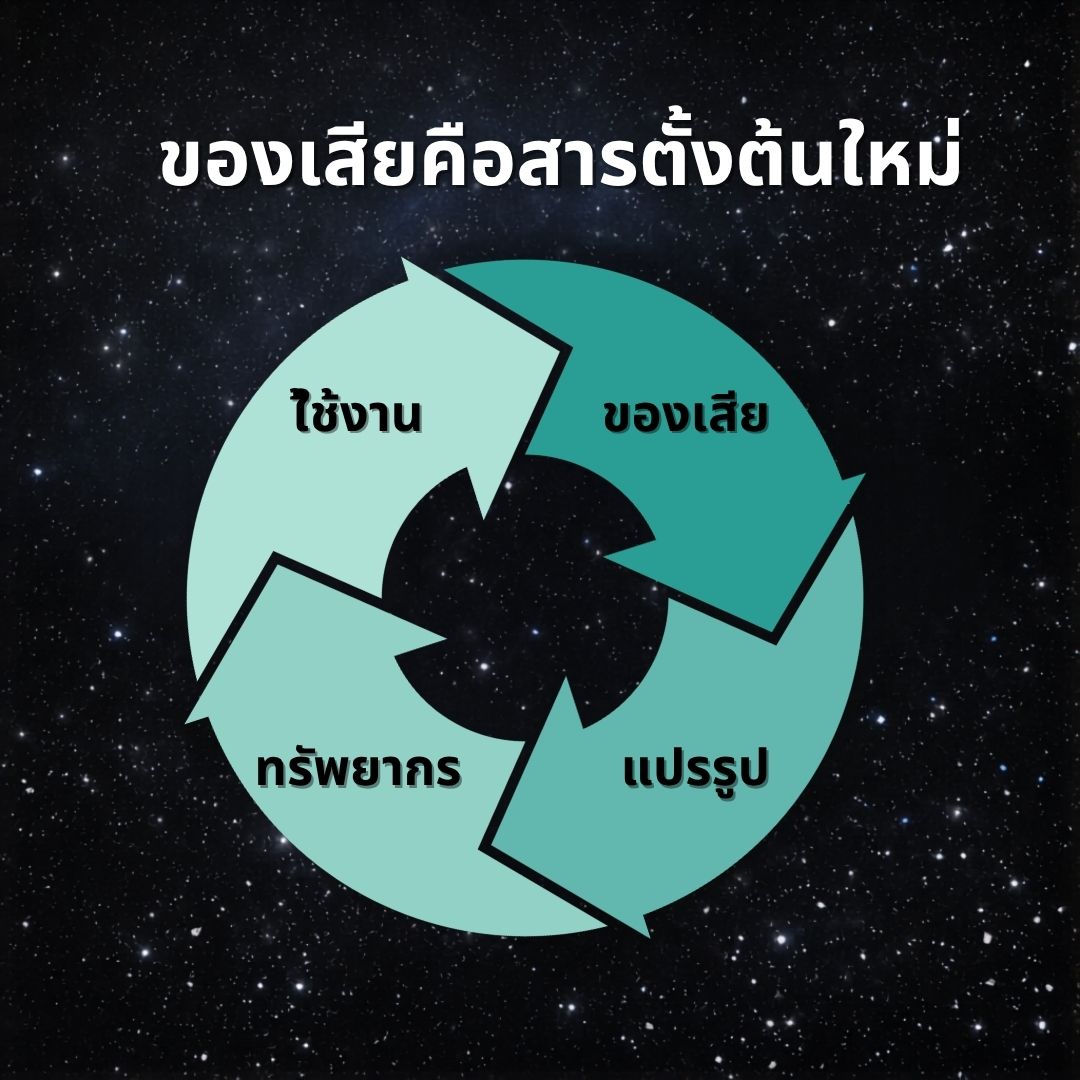
In space, waste is the beginning of a new process.
Urine becomes water
Carbon dioxide becomes a raw material for oxygen
Waste becomes an input for the next system
The word “discard” has effectively been removed from the system altogether.
And What About Earth?
While space operates on a closed-loop system,
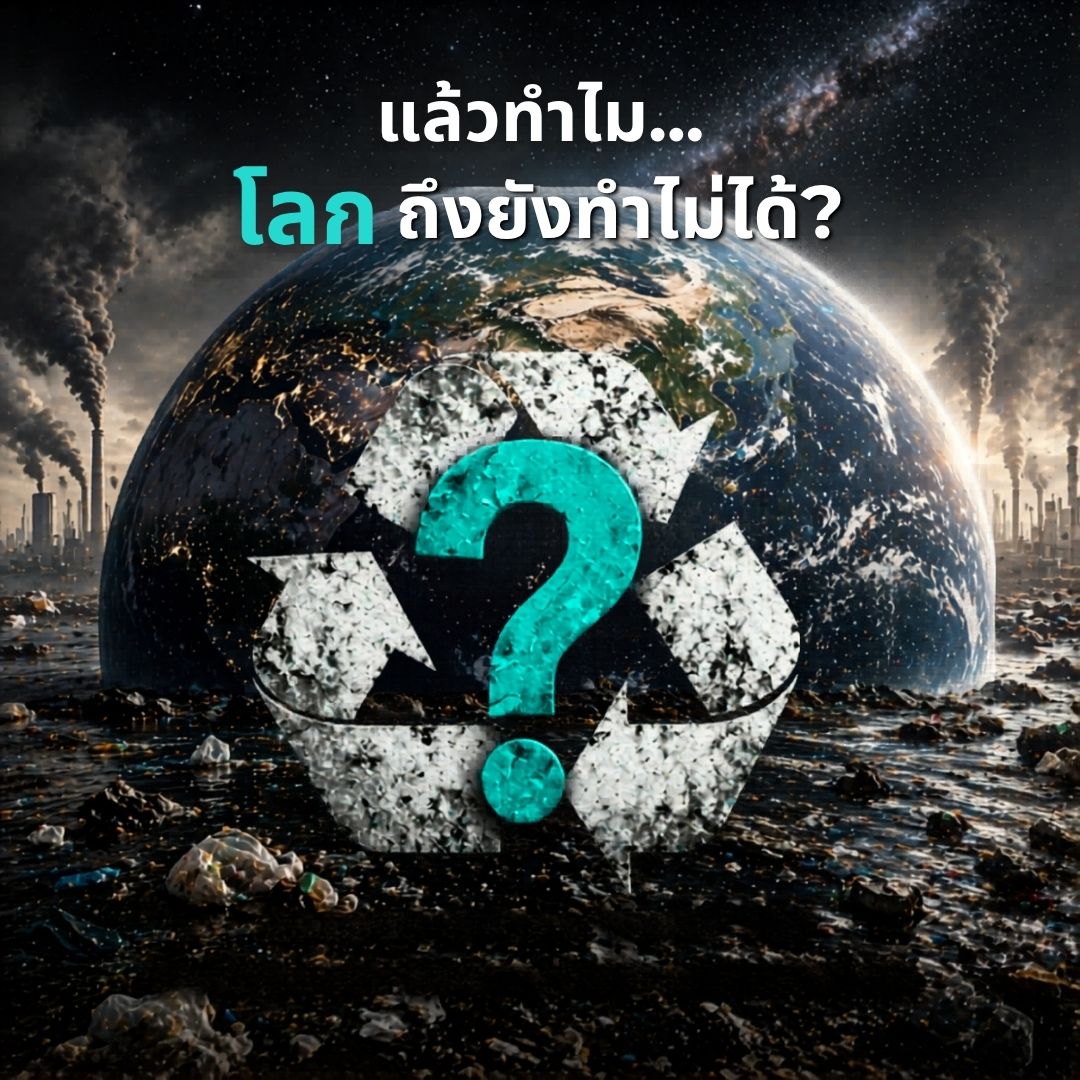
our world still largely runs on a linear model:
Produce → Use → Discard
We may not see the consequences immediately because Earth seems “large enough to hide them.”
But nothing truly disappears.
We do not throw things away—we merely move them to places we choose not to see.
The Critical Difference
In space, humans are forced to use every resource efficiently.
On Earth, we still have a choice—and that may be the problem.
Because we have not yet been forced to change,
we often choose not to.
The Future Ahead
One day, Earth’s resources may become as limited as those in space.
When that happens, the systems NASA uses today will no longer be considered “advanced technology.”
They will become the basic conditions for survival.
Conclusion
Perhaps Earth does not lack resources.
Perhaps we have simply never learned how to use them
in a way where nothing goes to waste.
Because in reality,
we have never had anything “new” at all—
Only the same materials,
circulating endlessly.
References
- NASA ข้อมูลระบบ Environmental Control and Life Support System (ECLSS) เทคโนโลยีรีไซเคิลน้ำและอากาศสำหรับภารกิจอวกาศ
- International Space Station (ISS)
- NASA Artemis Program แนวคิดการพัฒนาระบบ closed-loop สำหรับภารกิจระยะยาวบนดวงจันทร์และอนาคตของมนุษย์ในอวกาศ
- Apollo Program ข้อมูล timeline และการเปรียบเทียบการกลับไปดวงจันทร์ของมนุษย์


Related content


Variations in satellite imagery.
5 May 2026

